The Philly Killer
Legionnaires’ Disease and the Past and Future of Infectious Disease
This special exhibition will transport you to the summer of 1976. As Philadelphia prepared to celebrate America’s 200th birthday, a mysterious and deadly outbreak emerged, prompting rumors of a conspiracy and even murder. But this isn’t the plot of a bestselling crime novel. It is the true story of Legionnaires' disease.
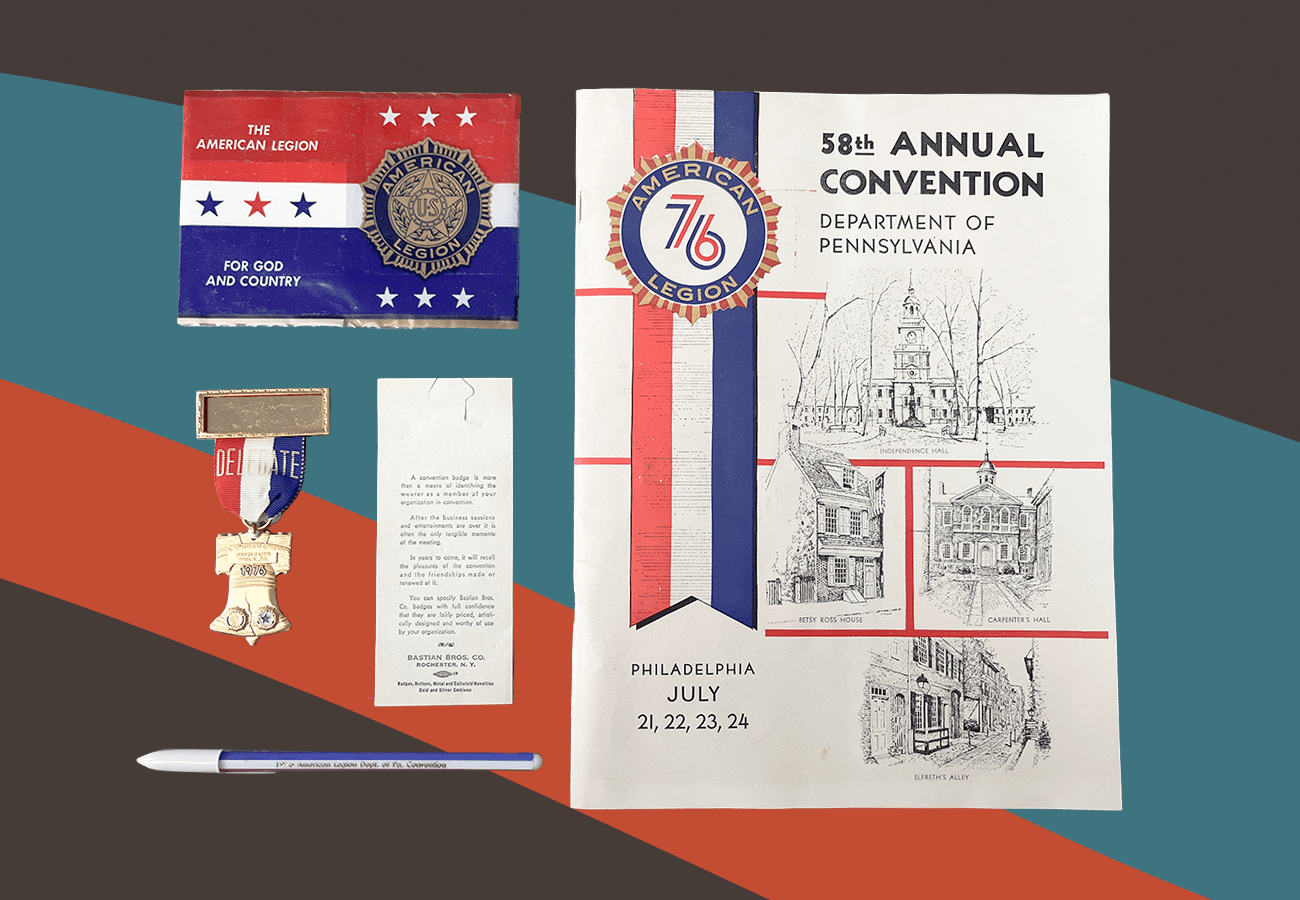
It all began in July 1976 when the Pennsylvania chapter of the American Legion gathered for a convention in Philadelphia. Within days, 180 of them were seriously ill. Ten days after the convention had ended, 22 people had died.
Referred to as the “epidemic of the century” in 1976, this outbreak is now largely forgotten. However, Legionella bacilli remain the leading cause of waterborne disease outbreaks in the United States. The Philly Killer invites audiences to consider how public health - including disease outbreaks like this one - reflects physical, bureaucratic, and social infrastructures.
Thanks to the generosity of the Benjamin and Mary Siddons Measey Foundation, we are thrilled to offer discounted admission to medical, nursing, and public health students. Please use promo code MEDSTUDY250 for $15 off a timed admission ticket. If you qualify, make sure to select the “College Student” level ticket.
Admission to this exhibition is included with your Mütter Museum ticket.
The Philly Killer is generously funded by the Benjamin and Mary Siddons Measey Foundation.